One Page Websites for Trade Businesses: Smart Shortcut or Strategic Mistake?
On the surface, that makes sense.
Is it just there to exist, or is it meant to generate leads, build authority and grow your business?
What a One Page Website Actually Is
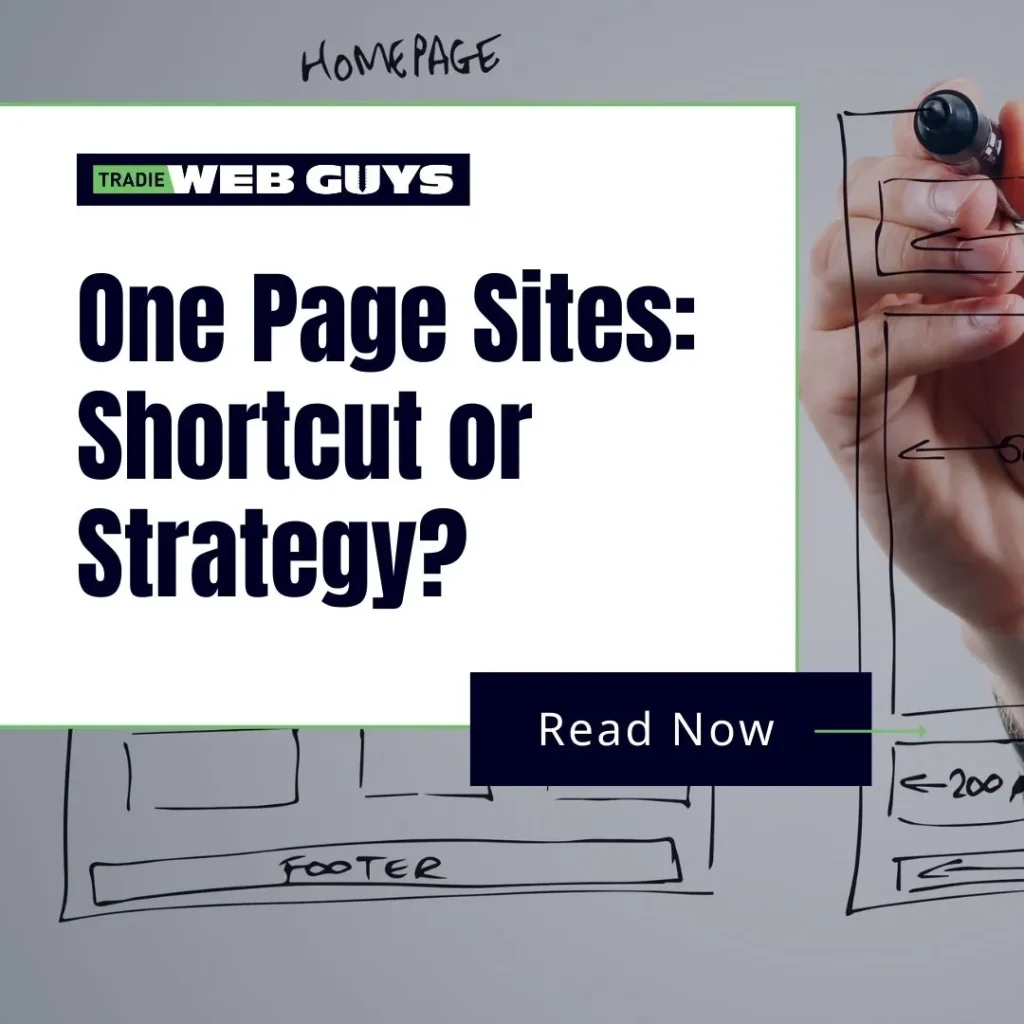
A one page website is a single scrolling layout where all of your information lives on one URL.
Services, about section, testimonials and contact details are stacked vertically on the same page.
In most cases, it functions like a digital business card. It shows you are legitimate. It gives people somewhere to land. It provides a basic layer of trust.
What it does not automatically provide is infrastructure for growth.
Most Trade Businesses Are More Complex Than They Think
Many operators say they only have “a few services”.
But once broken down properly, that usually is not true.
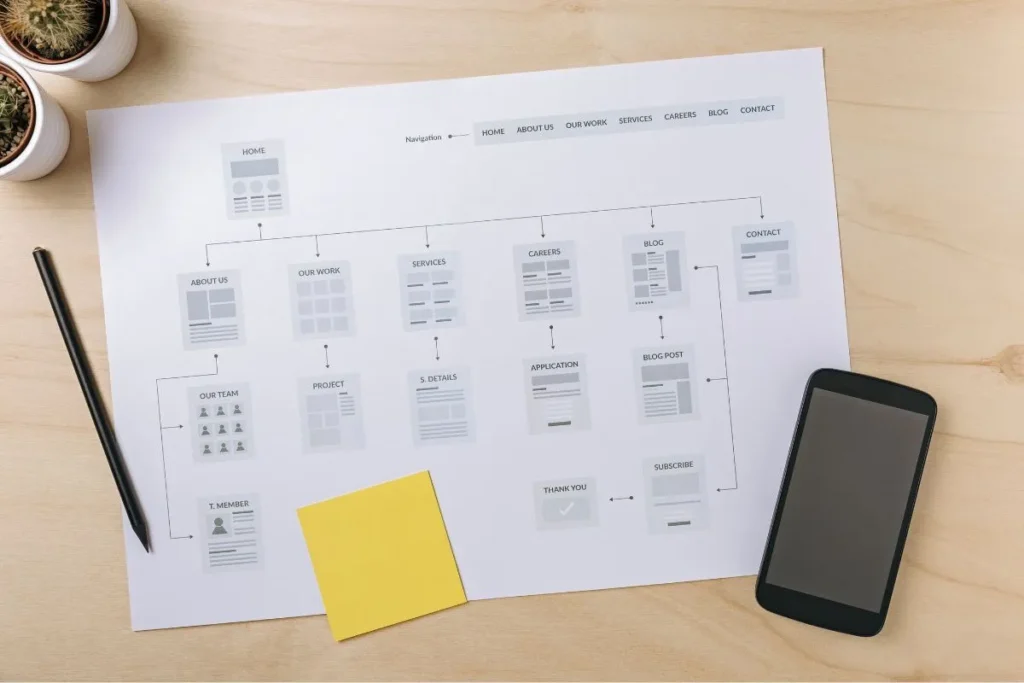
A plumber may offer blocked drains, hot water systems, gas work, renovations, maintenance and emergency callouts. An electrician might handle switchboards, EV chargers, air conditioning, lighting upgrades and fault finding.
Each of those services carries different intent. Different urgency. Different search behaviour.
Why One Page Websites Struggle With SEO
Search engines rank pages, not businesses.
Each page is evaluated on how clearly it satisfies a particular search intent. An emergency service query is different from a renovation query. A commercial client searches differently from a residential client.
A single page trying to serve all of those intents ends up skimming the surface. It lacks depth and structural clarity.
Structured websites allow for dedicated service pages, location targeting and internal linking. Over time, that structure compounds authority.
The AI Builder Illusion
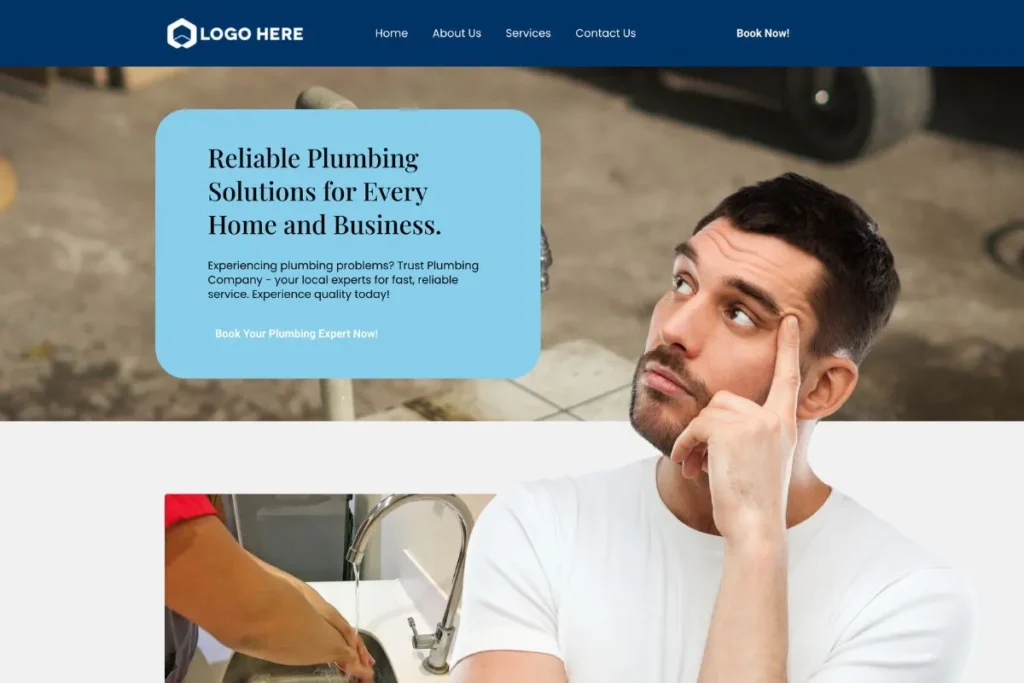
AI website builders make it incredibly easy to launch a site in minutes. You answer a few prompts and out comes a clean layout with generic, auto-written copy and stock images.
But what you get is a template, not a strategy.
These to is cannot assess your competition, structure your services properly or position your business for growth. They generate something that looks finished, but it is rarely engineered to perform.
In most cases, businesses end up needing professional help anyway.
Because without strategy and structure, the result is usually a website that does not truly reflect your business or support real growth.
Why Custom Websites Perform Better
A custom website is built around your actual business model, not a generic template. The structure reflects your services, your audience and your growth direction.
It is not about adding more pages for the sake of it. It is about building the right architecture from the beginning.
That structure allows you to scale without rebuilding later. It allows you to target properly. It allows you to compete seriously.
AI can create a page.
When a One Page Website Can Make Sense
There are situations where a single page is appropriate.
If you genuinely offer one clearly defined service in one tightly defined area, a simple structure may be enough. If you are validating a new business idea or need a temporary holding presence, it can serve a purpose.
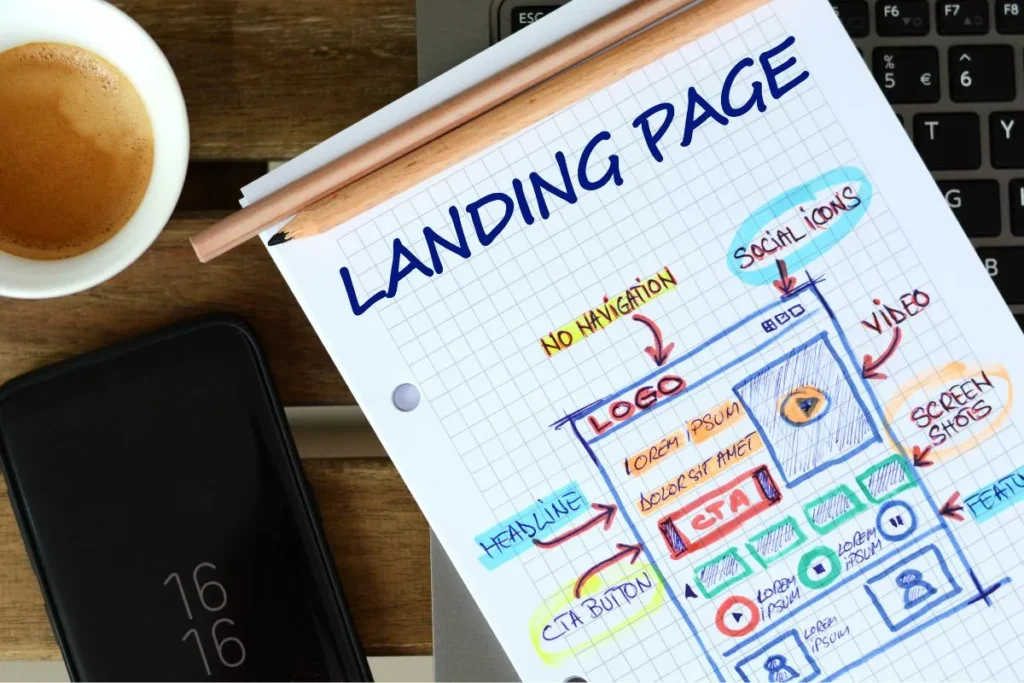
If you are running paid ads to one specific offer, what you actually need is a focused landing page designed for conversion. That is different from a general one page website representing your entire business.
Custom One Page Websites We’ve Designed
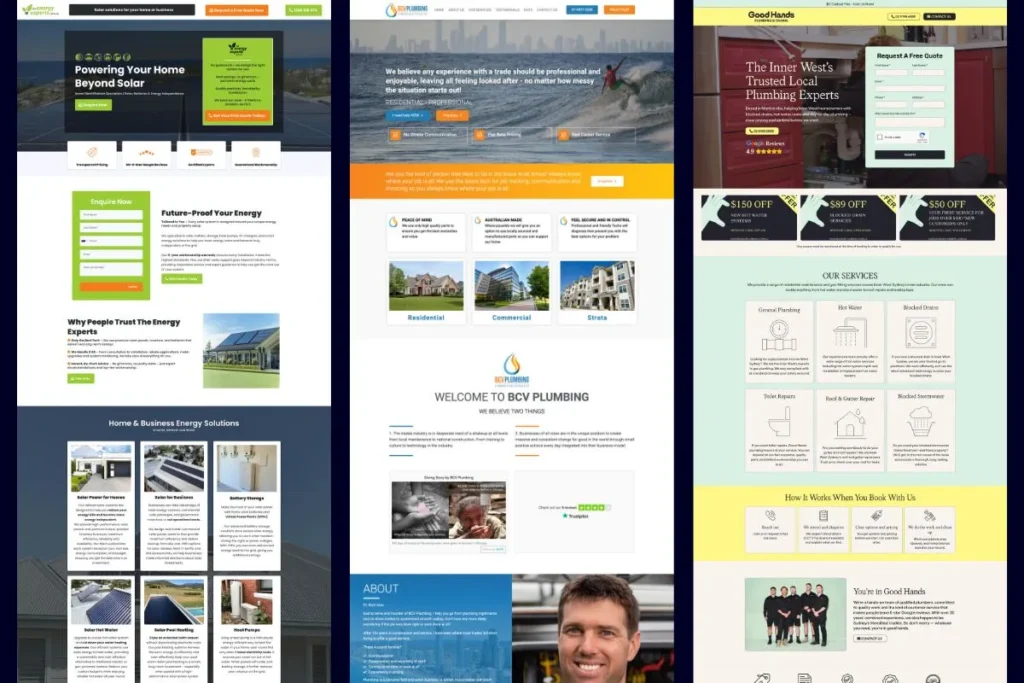
While we often recommend structured websites for long-term growth, we do design custom one page websites where they make strategic sense.
These are not AI-generated templates. They are intentionally structured around the offer, audience and conversion goal.
Considering a Full Website Build?
If your goal is long-term growth, SEO visibility and expansion, a full website build gives you the right foundation.
Rather than simply adding more pages, it involves building structured service architecture, targeting relevant locations where appropriate and creating a framework that can scale as your business grows.
If you want to understand exactly what’s included in a structured build, you can explore the details here:
The Growth Ceiling Most People Don’t See
A one page site may feel sufficient in the early stages.
But as your business grows, complexity increases. You expand services. You enter new suburbs. You compete with established operators who have invested in depth and authority.
At that stage, structure matters.
Final Thoughts
A one page website is not wrong.
It is simply limited.
If your goal is to look legitimate and give people somewhere to land, it may be enough.
If your goal is consistent enquiries, stronger positioning and long-term growth, you need more than a digital business card.
The real question is not whether one page websites are good or bad.
It is whether they align with the business you are trying to build.